Fuel prices are changing the way Australians think about travel.
For many West Australians, the idea of jumping in the car for a weekend away now comes with a second thought: “How much is this actually going to cost me?”
A return trip from Perth to Margaret River is around 500–540km depending on where you stay and what you do while you are there. For larger SUVs, utes and family vehicles, fuel costs alone can easily exceed $100 for the weekend. Add food stops, parking, wear and tear on the vehicle, and the overall cost climbs quickly.
For tourism operators, that might sound like bad news.
But for smart businesses, the fuel crisis could actually become a major marketing opportunity.
Instead of treating rising fuel prices as a threat, local tour operators and tourism businesses can reposition themselves as the easier, smarter and more cost-effective alternative to self-driving.
The reality is people still want holidays, experiences and weekends away. They are just becoming more conscious about how they spend their money getting there.
That shift in consumer thinking creates a real opportunity for businesses willing to adapt their messaging.
Consumer Behaviour Is Changing
When fuel prices rise, people naturally start rethinking discretionary travel.
A weekend trip that once felt simple suddenly becomes something people calculate in their head before booking.
Questions like these become common:
- “Can we justify the fuel cost?”
- “Do we really want to drive five or six hours this weekend?”
- “How much will the whole trip actually cost?”
- “Is it worth putting another 500km on the car?”
- “What if fuel prices go up again next week?”
That hesitation can impact tourism bookings.
But it is important to understand what consumers are actually cutting back on.
Most people are not giving up experiences altogether. They still want to escape Perth for the weekend. They still want winery lunches, brewery tours, beachside accommodation and regional adventures.
What changes is the way they assess value.
This is where tourism businesses can completely shift the conversation.
Stop Selling the Destination Alone
Most tourism marketing looks very similar.
Businesses focus on:
- Scenic landscapes
- Luxury accommodation
- Award-winning wineries
- Gourmet food
- Adventure experiences
- Relaxation
Those things are still important, but right now they are no longer enough on their own.
Consumers are increasingly looking for convenience, simplicity and ways to reduce overall travel costs.
That means tourism operators need to stop thinking purely about selling the destination and start selling the smarter way to experience it.
For example, instead of saying:
- “Enjoy a premium Margaret River wine tour.”
A business could say:
- “Skip the 500km return drive and let us handle the journey while you relax.”
That changes the offer completely.
Now the customer is not simply paying for a tour. They are paying to avoid fuel costs, driving fatigue, traffic and stress.
That is a much more powerful emotional proposition.
The Perth to Margaret River Opportunity
Margaret River is the perfect example of how this strategy can work.
The drive from Perth to Margaret River and back is long enough to become a genuine pain point for travellers.
For many families and couples, the hidden costs of the trip quickly add up:
| Expense | Estimated Cost |
| Fuel | $80–$140+ |
| Coffee/Food Stops | $20–$60 |
| Vehicle Wear & Tear | Ongoing |
| Parking & Miscellaneous | Variable |
And that is before considering the biggest cost of all — time and fatigue.
Five to six hours of driving over a weekend can make a short holiday feel exhausting before it even begins.
This creates a major opportunity for tour operators already travelling the route.
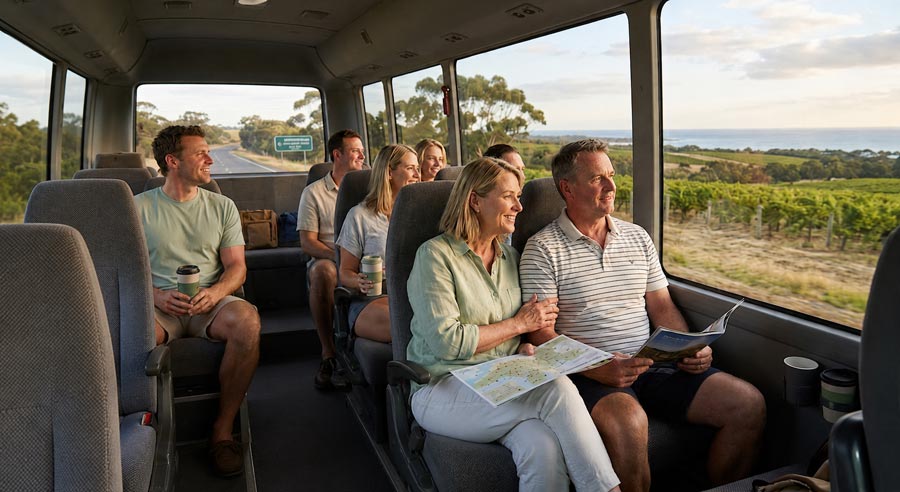
If a business is already operating a coach or small bus from Perth to Margaret River, the fuel cost is spread across multiple passengers. That suddenly makes shared travel feel efficient and practical.
What once looked like an expensive tour can now be framed as a smarter alternative to driving yourself.
Tour Operators Need to Change Their Messaging
Many operators already offer Perth pickups, but they treat it as a logistical detail instead of a key selling point.
That needs to change.
The transport itself should become part of the marketing strategy.
Consumers are no longer only buying the destination experience. They are buying convenience.
Marketing messages should start focusing on things like:
- Save on fuel costs
- No long-distance driving
- Relax while we drive
- No parking hassles
- No navigating unfamiliar roads
- Start your holiday the moment you leave Perth
- Enjoy the wineries without worrying about driving home
These are real pain points people are actively thinking about right now.
And businesses that address those concerns directly are far more likely to stand out.
It Is Not About Being “Cheap”
One mistake businesses should avoid is positioning themselves as the “budget” option.
That can weaken the brand.
Instead, operators should position themselves as the smarter and more convenient option.
Consumers do not always choose the cheapest experience. They choose the one that feels most worthwhile and least stressful.
A professionally organised tour with transport included can now feel like a premium convenience rather than an added expense.
That subtle shift in positioning matters.
The goal is not to say:
- “We are cheaper.”
The goal is to say:
- “We make the entire experience easier, more relaxing and better value overall.”
That is a very different message.
Fuel Anxiety Is Emotional Too
The impact of rising fuel prices is not only financial.
It is emotional.
Long-distance driving can feel:
- Stressful
- Tiring
- Expensive
- Frustrating
- Unsafe late at night
- Difficult for families
For older travellers, couples and groups, the idea of sitting back while someone else handles the journey can become incredibly appealing.
That emotional relief has real marketing power.
Businesses that acknowledge those frustrations openly in their messaging will likely connect better with audiences than businesses pretending consumer behaviour has not changed.
Sustainability Is Another Angle
There is also an environmental benefit to shared tourism transport.
One coach travelling to Margaret River is far more efficient than dozens of separate vehicles making the same trip individually.
For environmentally conscious travellers, that can become another reason to book.
Businesses do not need to become overly political or push heavy sustainability messaging, but simple statements like these can work well:
- “Travel together instead of driving separately.”
- “Shared transport helps reduce congestion and emissions.”
- “A smarter way to explore WA.”
Consumers increasingly appreciate businesses thinking about efficiency and sustainability, especially younger travellers.
SEO Opportunities Around Fuel Costs and Travel
From a digital marketing perspective, the fuel crisis is also changing search behaviour.
People are actively searching for more affordable and convenient travel options.
That creates strong SEO opportunities for tourism businesses willing to create relevant content.
Searches may include:
- “Perth to Margaret River tours”
- “How much fuel to drive to Margaret River”
- “Margaret River without driving”
- “Fuel saving holidays WA”
- “Coach tours from Perth”
- “Cheaper ways to visit Margaret River”
- “Best way to travel to Margaret River”
Businesses should start producing blog content that directly addresses those concerns.
Topics could include:
- How Much Does It Cost to Drive from Perth to Margaret River?
- Why More Travellers Are Choosing Coach Tours
- The Hidden Costs of Self-Drive Holidays
- How to Visit Margaret River Without the Stress
- Is a Tour Better Value Than Driving Yourself?
This type of content targets high-intent search traffic while aligning perfectly with current economic concerns.
Google Ads Messaging Needs to Evolve
The same thinking applies to Google Ads.
Many tourism campaigns still focus purely on destinations and activities.
But current economic conditions create an opportunity to stand out with messaging focused on convenience and fuel savings.
Examples include:
Headlines
- Skip the 500km Drive
- Save on Fuel Costs
- Perth Pickups Included
- Relax While We Drive
- Visit Margaret River Stress-Free
Descriptions
- Avoid fuel costs and enjoy a more relaxing way to travel.
- Leave the driving to us and enjoy the journey from Perth.
- Save time, stress and fuel with transport included.
These ads connect directly with the concerns many travellers already have in mind.
That makes them more relevant and more likely to attract clicks.
The Businesses That Adapt Early Will Benefit Most
Economic shifts always create opportunities for businesses willing to adapt quickly.
Tourism operators who continue marketing exactly the same way they did two years ago may struggle to maintain bookings.
But businesses that reposition themselves around convenience, shared transport and smarter travel could actually strengthen their market position.
The fuel crisis has changed the conversation around travel in Western Australia.
The businesses that recognise that shift early — and adjust their marketing accordingly — are likely to gain attention while competitors continue fighting over the same messaging.
Because right now, people are not just buying holidays.
They are buying easier ways to travel.
If you’re planning a getaway down south but don’t want the stress, fuel costs or long hours behind the wheel, there’s a smarter way to travel.
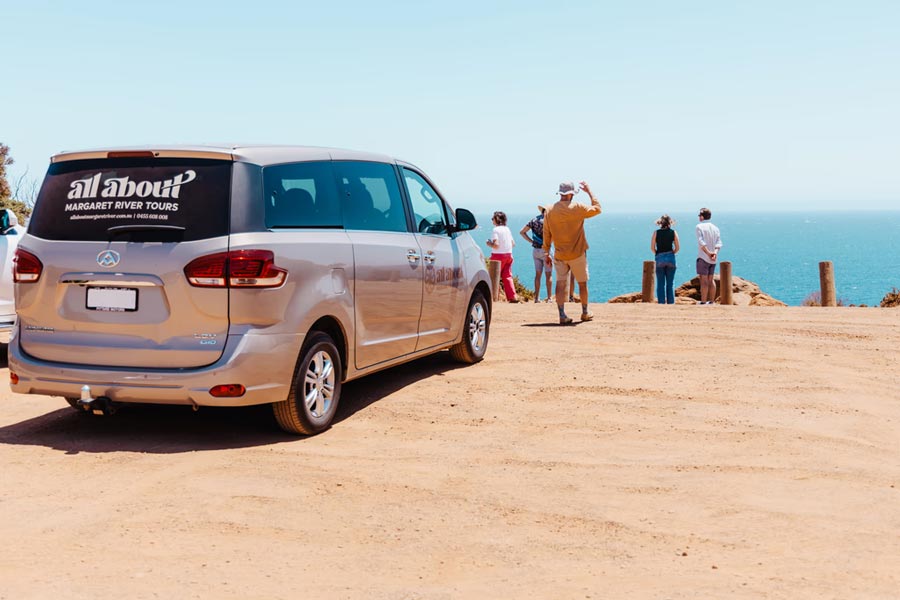
For relaxed, professionally organised tours throughout the South West whilst you are there, the team at All About Margaret River can help you experience Margaret River, wineries, breweries and regional WA without worrying about driving around.
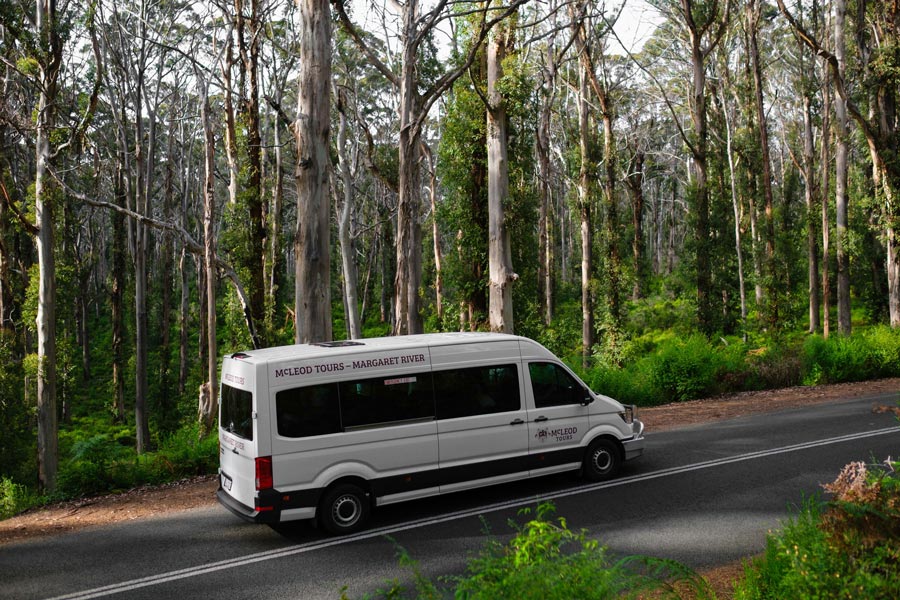
And if you want the full treatment — including convenient pickup and drop-off options from Perth, McLeod Tours have you covered, making your holiday easier, more comfortable and far more enjoyable from the moment you leave home.
Because sometimes the best part of the trip is not having to drive it yourself.
Ready to work with an agency that asks about your business goals before showing you their certifications? bureau42 builds data-driven Google Ads strategies focused on one metric: your growth. Let’s talk about what’s actually possible for your business.

Written by
Richard Wassell
“With 20+ years in digital marketing, Richard helps brands grow online through SEO, SEM, Google Ads, GA4, and compelling content. He combines technical know-how with practical strategies to deliver real results — all while keeping the human side of marketing front and centre.”